Roof Inspections in Pittsburgh, Pennsylvania
Roof Inspections That Replace Assumptions With Verified System Intelligence Clearly
Most roofing failures do not begin with dramatic leaks or visible collapse. They start quietly—fasteners loosening, flashing separating, moisture collecting beneath surfaces. A roof inspection is the only way to identify these issues before they become costly repairs or full replacements. With more than 20+ years of experience, Salco Roofing and Seamless Gutters treats roof inspections as technical evaluations, not visual walk-throughs. Every inspection is designed to assess how the roof is performing as a system, not just how it appears from the ground.
We serve Pittsburgh, Pennsylvania, where roofing systems face constant stress from freeze–thaw cycles, heavy rainfall, snow accumulation, and wind exposure. Homes and buildings throughout Mt. Lebanon, Ross Park, Monroeville, and Robinson Township experience similar conditions driven by elevation changes, river valleys, and dense development. Across Allegheny County, many roofs were installed decades ago under older standards, making deterioration harder to detect without disciplined inspection methods tailored to regional weather patterns.
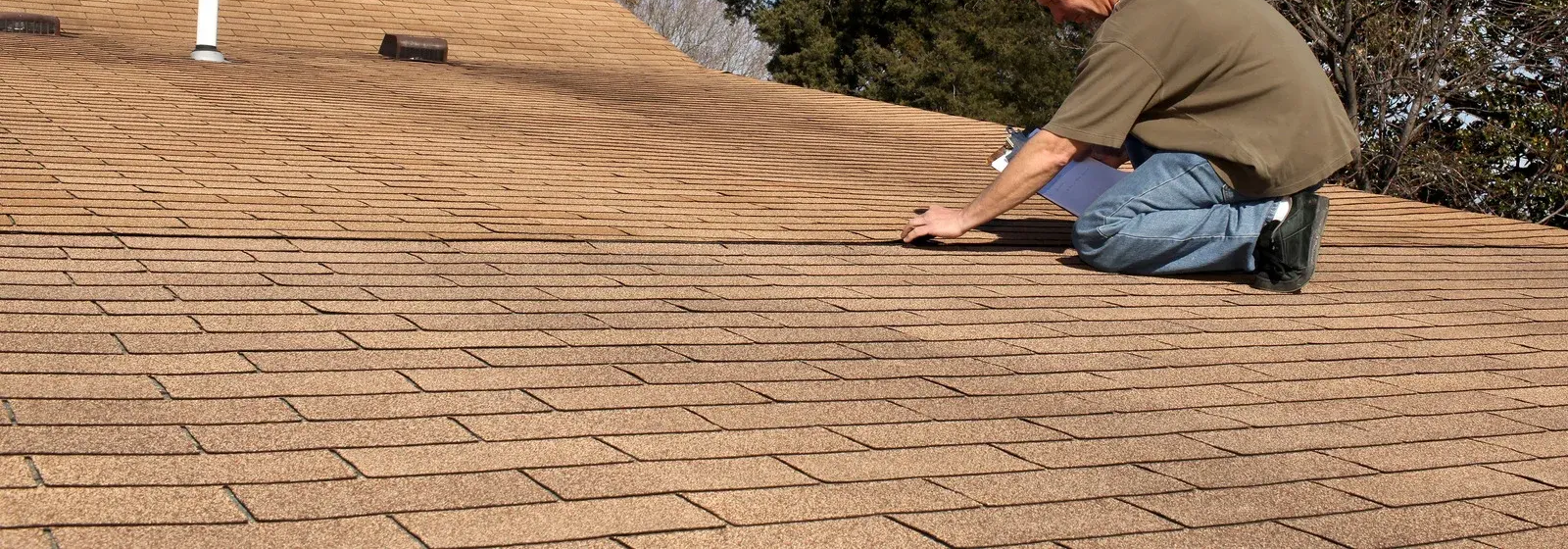
Our roof inspection process focuses on accuracy, documentation, and clarity. Shingles, flashing, decking, ventilation, and drainage components are evaluated together to understand system performance. Subtle warning signs—granule loss, soft decking, moisture staining, airflow imbalance—are identified before they trigger visible damage. Findings are communicated clearly, timelines are realistic, and recommendations are based on function rather than urgency-driven sales pressure. Roof inspections are treated as decision-making tools, allowing informed planning instead of reactive repairs. The goal is simple: reveal hidden risks early, protect structural integrity, and give property owners clear insight into how their roof is aging under Pittsburgh’s demanding environmental conditions.
Our Roof Inspection Services
Routine Preventive Roof Inspections
This service evaluates overall roof condition through systematic review of materials, flashing, ventilation, and drainage components. Preventive inspections identify early wear patterns, minor failures, and developing risks, allowing timely maintenance that extends roof lifespan, controls costs, and reduces the likelihood of unexpected performance failures.
Storm and Post-Event Roof Inspections
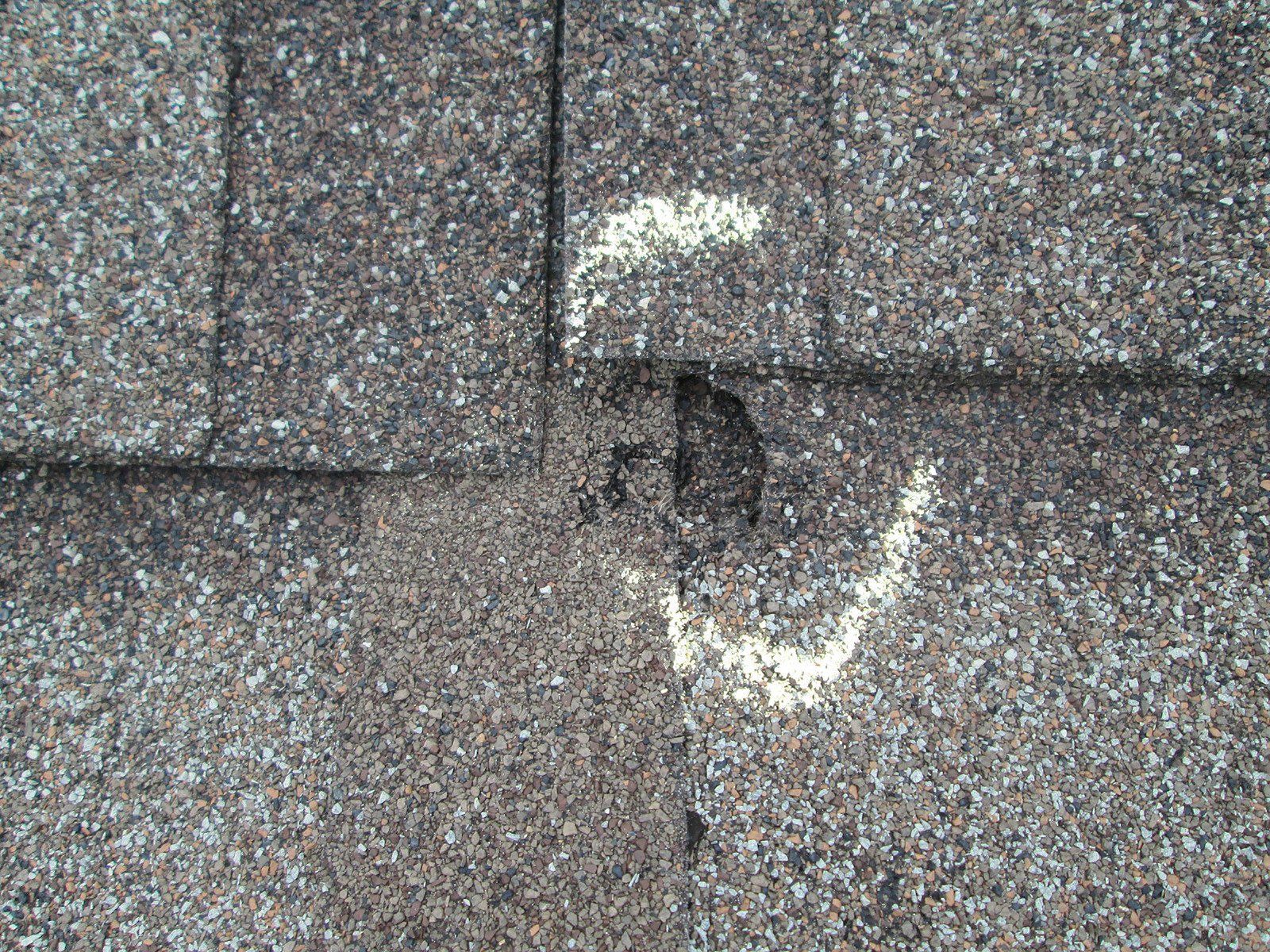
After severe weather events, inspections identify wind, hail, or impact-related damage affecting roofing systems. This service documents visible and concealed issues, ensuring repairs address actual storm effects before delayed leaks, material breakdown, or structural deterioration develop over time following extreme weather exposure.
Leak Investigation and Moisture Tracing
This inspection service traces the source of active or suspected leaks. By following moisture pathways across decking, underlayment, and roof assemblies, it identifies the true entry point, preventing misdirected repairs, recurring water intrusion, and unnecessary disruption caused by incorrect problem diagnosis.
Real Estate and Pre-Purchase Roof Inspections
Roof inspections for property transactions provide objective condition assessments. This service identifies existing defects, remaining service life, and near-term repair needs, supporting informed purchasing, negotiation, or disclosure decisions without reliance on assumptions based solely on age or surface appearance.
Ventilation and Drainage Assessment
This service evaluates airflow balance and water movement across the roofing system. Inspecting vents, intakes, drainage paths, slopes, and transitions ensures heat and moisture are managed correctly, reducing premature roof aging, condensation risks, and hidden structural deterioration within attic spaces.
Maintenance Planning and Condition Reporting
Comprehensive inspection reports summarize roof conditions and outline recommended actions. This service supports long-term planning by prioritizing repairs, defining maintenance timelines, and projecting future replacement considerations based on verified roof performance rather than guesswork or reactive decision-making.
Benefits of Professional Roof Inspections
Early Problem Detection
Roof inspections identify developing issues before they escalate into major failures. Detecting minor leaks, fastening problems, or ventilation imbalances early prevents moisture intrusion, structural deterioration, and costly emergency repairs, allowing corrective action to be planned methodically rather than forced by sudden roof failure events.
Extended Roof Lifespan
Regular roof inspections support longer service life by addressing small defects promptly. Correcting early wear, material separation, or drainage issues reduces cumulative stress on roofing components, slowing deterioration and delaying the need for major repairs or full roof replacement over time.
Informed Maintenance Planning
Roof inspections provide clear, objective information for maintenance planning. Understanding current roof conditions allows owners to budget accurately, prioritize necessary repairs, and avoid unnecessary work, creating predictable maintenance schedules instead of reactive, high-cost interventions driven by unexpected roofing failures.
Protection Against Water Damage
Inspections uncover hidden moisture pathways before interior damage becomes visible. Identifying compromised flashing, sealants, or underlayment prevents water from reaching insulation, decking, and finished spaces, protecting ceilings, walls, and structural components from long-term moisture-related deterioration risks.
Improved Safety and Compliance
Professional roof inspections identify safety hazards such as loose materials, weakened decking, or improper ventilation. Addressing these issues reduces risk to occupants and workers while helping ensure the roof continues meeting functional, safety, and structural performance expectations over time.
Documentation for Decision Support
Roof inspection reports clearly document existing roof conditions. This information supports insurance discussions, property transactions, and long-term planning by providing accurate records of roof performance rather than assumptions based solely on age, appearance, or incomplete surface-level observations alone.
Providing Clear Roof Condition Insight Before Problems Become Failures Costly
Roof inspections should replace uncertainty with clarity. When performed with discipline, they reveal hidden risks, guide informed maintenance decisions, and protect structures before damage becomes visible. Our work emphasizes thorough evaluation, clear documentation, and inspection methods suited to Pittsburgh, Pennsylvania’s demanding climate. Salco Roofing and Seamless Gutters approaches every inspection with the understanding that findings should inform long-term planning, not short-term reactions.
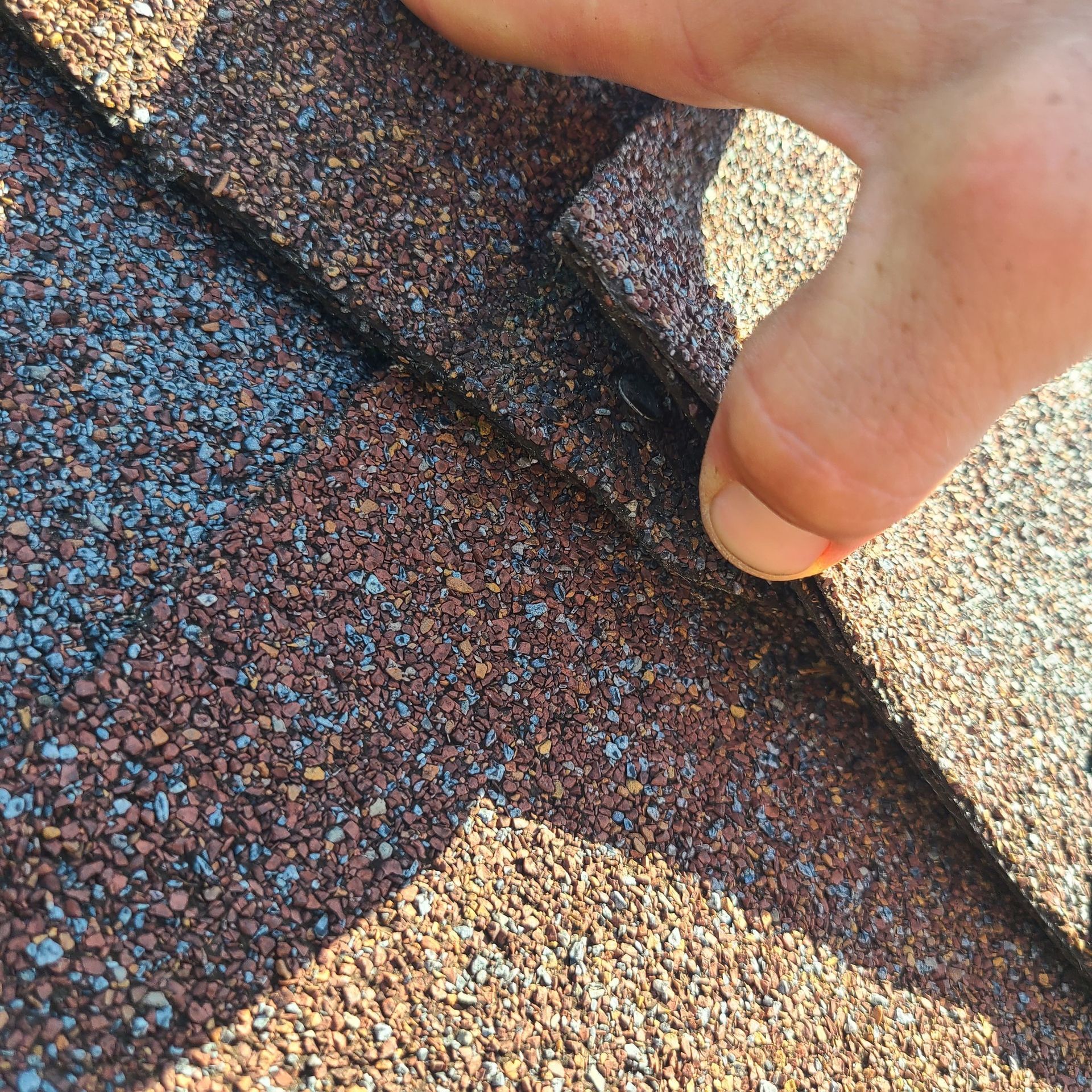
Each assessment looks beyond surface conditions to evaluate materials, ventilation, drainage, and structural indicators as a complete system. By prioritizing accuracy over assumptions, inspections become preventative tools rather than last-minute discoveries. The result is a roof that remains predictable, interior spaces that stay protected, and property owners who can plan with confidence.
Frequently Asked Questions
How often should a roof be inspected?
Most roofs benefit from inspection at least once per year and after major storms. Regular inspections help identify developing issues early, reducing repair costs and preventing unexpected failures caused by unnoticed deterioration or weather-related damage before problems escalate into expensive structural repairs or interior damage.
What does a professional roof inspection include?
A professional inspection evaluates surface materials, flashing, penetrations, ventilation, drainage, and visible structural components. It focuses on how the roof performs as a system, identifying risks that may not be obvious from ground-level observation alone during routine ownership without access equipment or prior roofing experience.
Can roof inspections prevent leaks?
Yes. Inspections identify early warning signs such as loose flashing, sealant failure, or moisture staining. Correcting these issues promptly prevents water intrusion before leaks reach interior spaces and cause secondary damage that compromises insulation, framing, finishes, and long-term indoor environmental quality within occupied residential structures.
Are roof inspections useful for older homes?
Older homes benefit significantly from inspections. Aging materials, layered installations, and outdated ventilation designs often hide deterioration. Inspections provide clarity on current condition and realistic expectations for maintenance or replacement timing based on structural integrity, regional climate exposure, and historical construction methods used locally previously.
Do roof inspections require walking on the roof?
Access depends on roof design and safety conditions. Inspections may involve walking, ladder access, or visual assessment from multiple angles. Safety and accuracy guide inspection methods, not a single approach chosen to minimize risk while still capturing complete performance information across all roof types safely.
Is a roof inspection necessary before repairs?
Yes. Inspections ensure repairs address root causes rather than symptoms. Identifying true failure points prevents repeated repairs and wasted expense caused by misdiagnosed issues that allow moisture intrusion, material fatigue, and structural deterioration to continue unchecked beneath surface materials and finished interiors over time unnoticed.
Why does experience matter for roof inspections?
Experience improves pattern recognition and diagnosis. Salco Roofing and Seamless Gutters in Pittsburgh, Pennsylvania applies regional knowledge shaped by local weather and construction styles, reducing missed issues and improving inspection accuracy across aging structures, complex rooflines, and varied material assemblies common regionally over decades consistently.
Can roof inspections support insurance or real estate needs?
Yes. Inspection reports provide documented condition assessments that support insurance claims, underwriting discussions, and property transactions by replacing assumptions with verified roof performance information used during negotiations, risk evaluations, maintenance planning, and disclosure requirements for residential and commercial properties across varied ownership scenarios locally regionwide.
What our customers have to say...
Testimonials