Roof Installations in Pittsburgh, Pennsylvania
Engineered Roof Installations Designed For Decades Of Predictable Performance Reliability
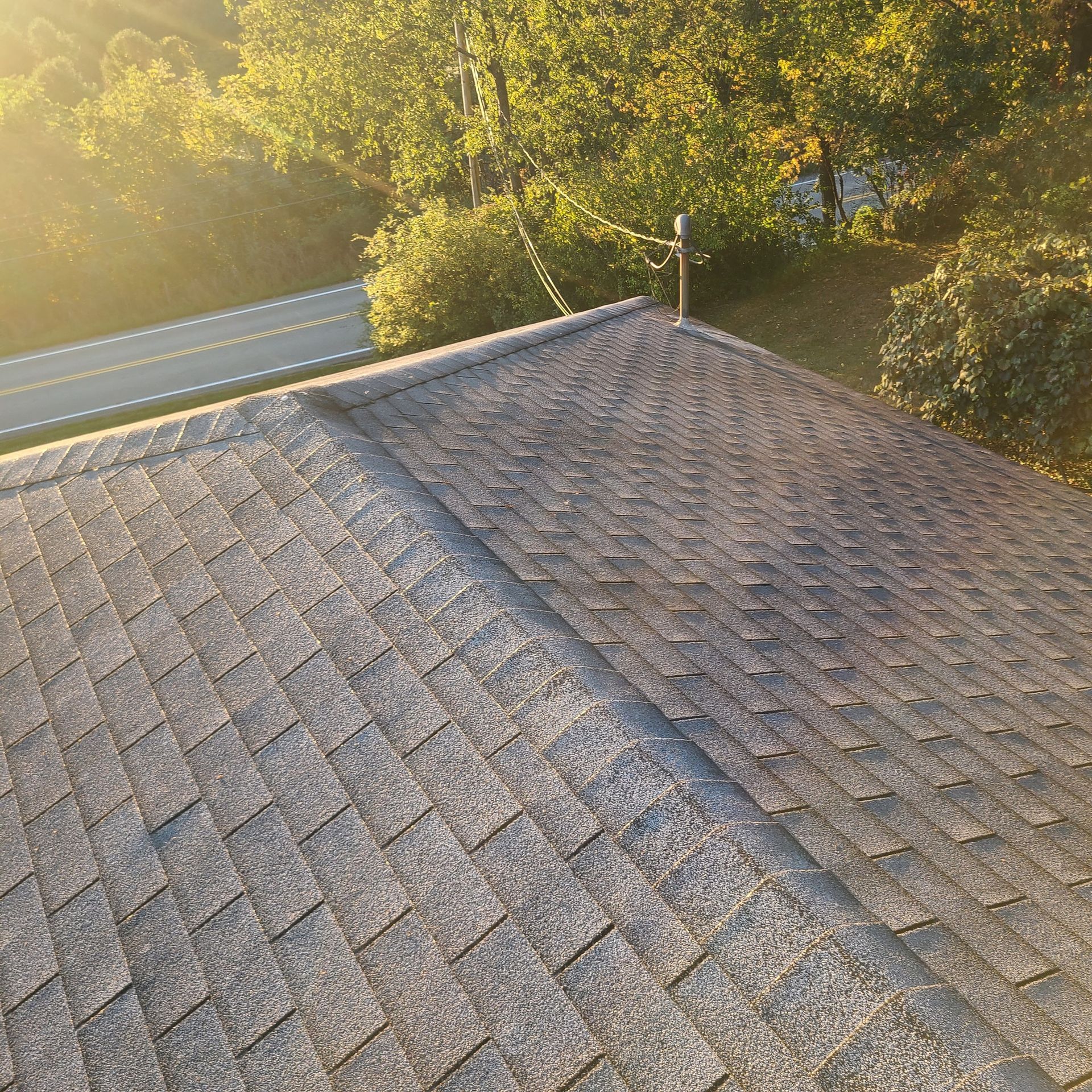
A roof installation is not a cosmetic upgrade; it is a structural commitment that determines how a building performs for decades. Every layer, fastening method, and material choice influences water control, load distribution, and energy stability. With over 20+ years of experience, Salco Roofing and Seamless Gutters approaches roof installations as engineered systems rather than surface coverings. We focus on accuracy, material discipline, and installation methods that respect both structural requirements and long-term durability. Shortcuts compromise performance; precision protects it.
We serve Pittsburgh, Pennsylvania, where historic housing stock, steep rooflines, and varied elevations demand thoughtful installation practices. Neighborhoods shaped by river valleys and hillside construction face wind exposure, snow accumulation, and aggressive freeze–thaw cycles. Nearby communities such as Mt. Lebanon, Ross Park, Monroeville, and Robinson Township experience similar environmental stressors. These regional conditions require roof installations that manage moisture, ventilation, and structural loads consistently throughout the year.
Our installation process prioritizes preparation over speed. Decking integrity, underlayment selection, ventilation planning, and flashing integration are addressed before surface materials are installed. We work with asphalt shingles, metal roofing systems, and architectural assemblies using methods aligned with manufacturer standards and real-world performance expectations. Communication remains direct, timelines realistic, and decisions grounded in long-term outcomes. Roof installations are treated as protective systems that safeguard interiors, preserve property value, and reduce future maintenance exposure. The objective is straightforward: install roofs that perform reliably under Pittsburgh’s demanding conditions, not just on completion day, but through years of weather cycles and structural movement.
Our Roof Installation Services
Asphalt Shingle Roof Installation
Asphalt shingle installations balance affordability, durability, and design flexibility. Proper underlayment, starter courses, and fastening patterns ensure wind resistance and water control. This service delivers consistent performance, visual uniformity, and reliable protection when installed using disciplined, manufacturer-aligned methods.
Metal Roof Installation
Metal roofing installations provide longevity and weather resistance when correctly executed. Precise panel alignment, expansion allowances, and fastening systems prevent oil canning and leaks. This installation supports long-term durability, efficient water shedding, and stable performance under extreme temperature variations.
Architectural and Dimensional Roofing Installation
Architectural roofing installations emphasize layered profiles and enhanced material thickness. Accurate layout, proper ventilation, and secure attachment maintain design integrity and performance. This service delivers improved durability, visual depth, and resistance to weather stress compared to standard roofing options.
Roof Deck Preparation and Replacement
Roof installations begin with sound decking. This service includes inspecting, repairing, or replacing compromised substrates. Solid decking ensures fasteners hold correctly, surfaces remain even, and roofing materials perform as intended without hidden structural weaknesses beneath.
Ventilation System Integration
Proper ventilation is essential during roof installation. This service balances intake and exhaust systems to control heat and moisture. Correct airflow reduces condensation, protects insulation, and extends roofing material lifespan by maintaining stable attic conditions year-round.
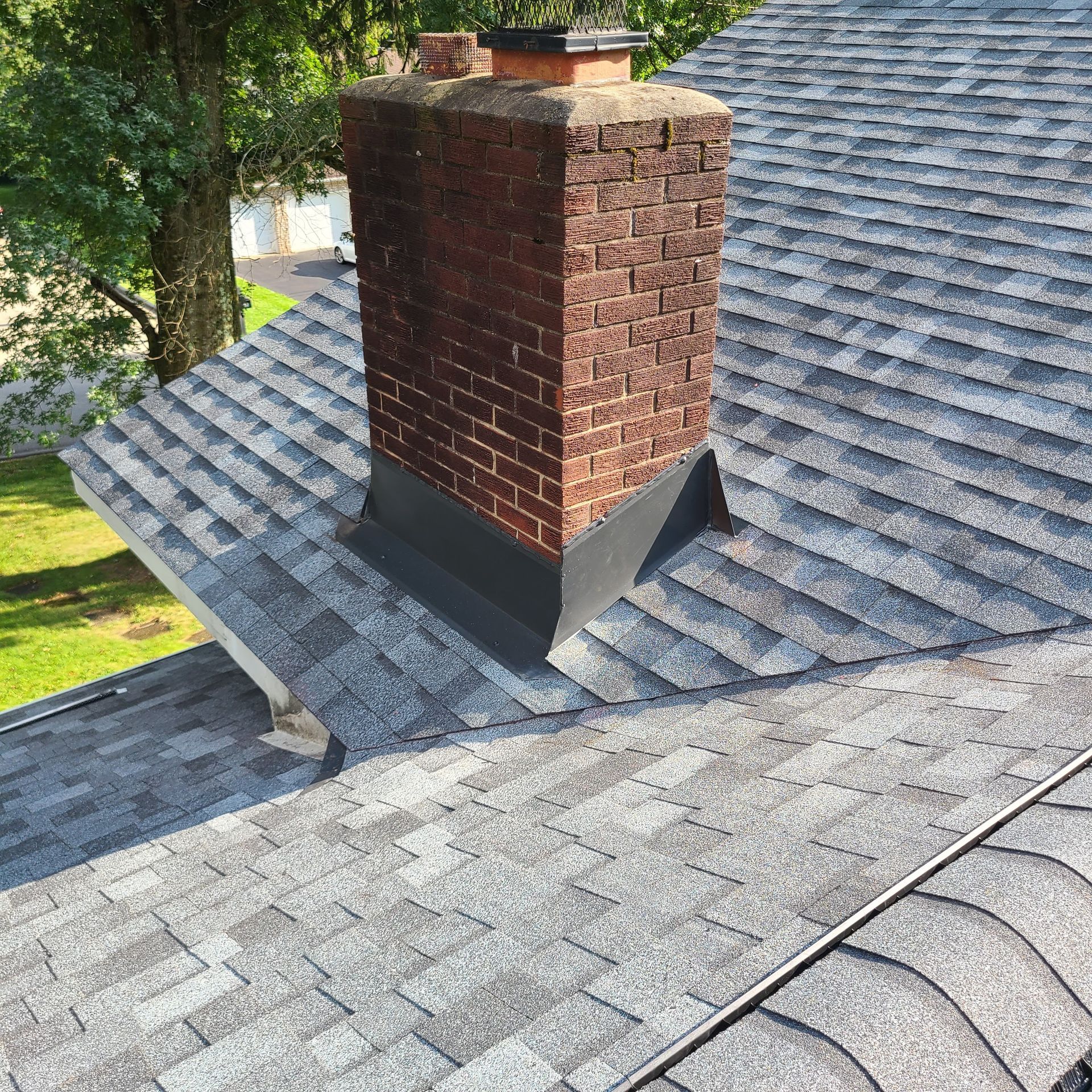
Flashing and Transition Installation
Flashing installation protects roof intersections, penetrations, and edges. Proper shaping, sealing, and integration prevent water intrusion at vulnerable points. This service ensures chimneys, valleys, and wall transitions shed water effectively without creating long-term leak risks.
Benefits of Professional Roof Installation
Long-Term Structural Protection
Professional roof installation ensures materials, fasteners, and underlayment work together as a unified system. Proper load distribution, water shedding, and attachment methods protect structural framing from premature wear, moisture intrusion, and deformation caused by seasonal expansion, contraction, and sustained environmental stress.
Improved Energy Efficiency
Correctly installed roofing systems support insulation performance and ventilation balance. Sealed transitions, proper airflow, and reflective or insulating materials reduce heat loss and gain. This stabilizes indoor temperatures, minimizes HVAC strain, and supports consistent energy efficiency throughout varying seasonal conditions.
Reduced Maintenance Requirements
Quality installation minimizes future repair needs by eliminating common failure points. Proper flashing, alignment, and fastening prevent early deterioration. This reduces ongoing maintenance demands, lowers long-term ownership costs, and decreases the likelihood of emergency repairs caused by installation-related deficiencies.
Weather Resistance and Durability
Roof installations designed for wind, rain, snow, and temperature swings perform more reliably. Correct material selection and fastening methods improve resistance to uplift, water penetration, and thermal movement, ensuring the roof maintains integrity during severe weather events and seasonal transitions.
Increased Property Value
A professionally installed roof enhances property appeal and market confidence. Buyers and inspectors recognize proper installation practices, documented materials, and code-aligned workmanship. This contributes to higher valuation, smoother transactions, and reduced concerns about hidden defects or deferred replacement costs.
Compliance and Safety Assurance
Roof installations performed to code and manufacturer standards reduce liability risks. Proper safety protocols, material ratings, and installation techniques ensure compliance with building requirements while protecting occupants, workers, and the structure from preventable hazards over the roof’s service life.
Building Roof Systems Correctly From Structure To Final Shingle Layer
A roof installation should define reliability, not uncertainty. When executed with discipline, it becomes a protective system that manages weather, supports structural loads, and preserves interior spaces year after year. Our work emphasizes preparation, material compatibility, and installation methods proven to withstand Pittsburgh, Pennsylvania’s demanding climate conditions. Salco Roofing and Seamless Gutters approaches every installation with the expectation that performance will be judged decades later, not immediately after completion. Decisions are guided by longevity rather than speed, ensuring each component functions as part of a cohesive roofing system.
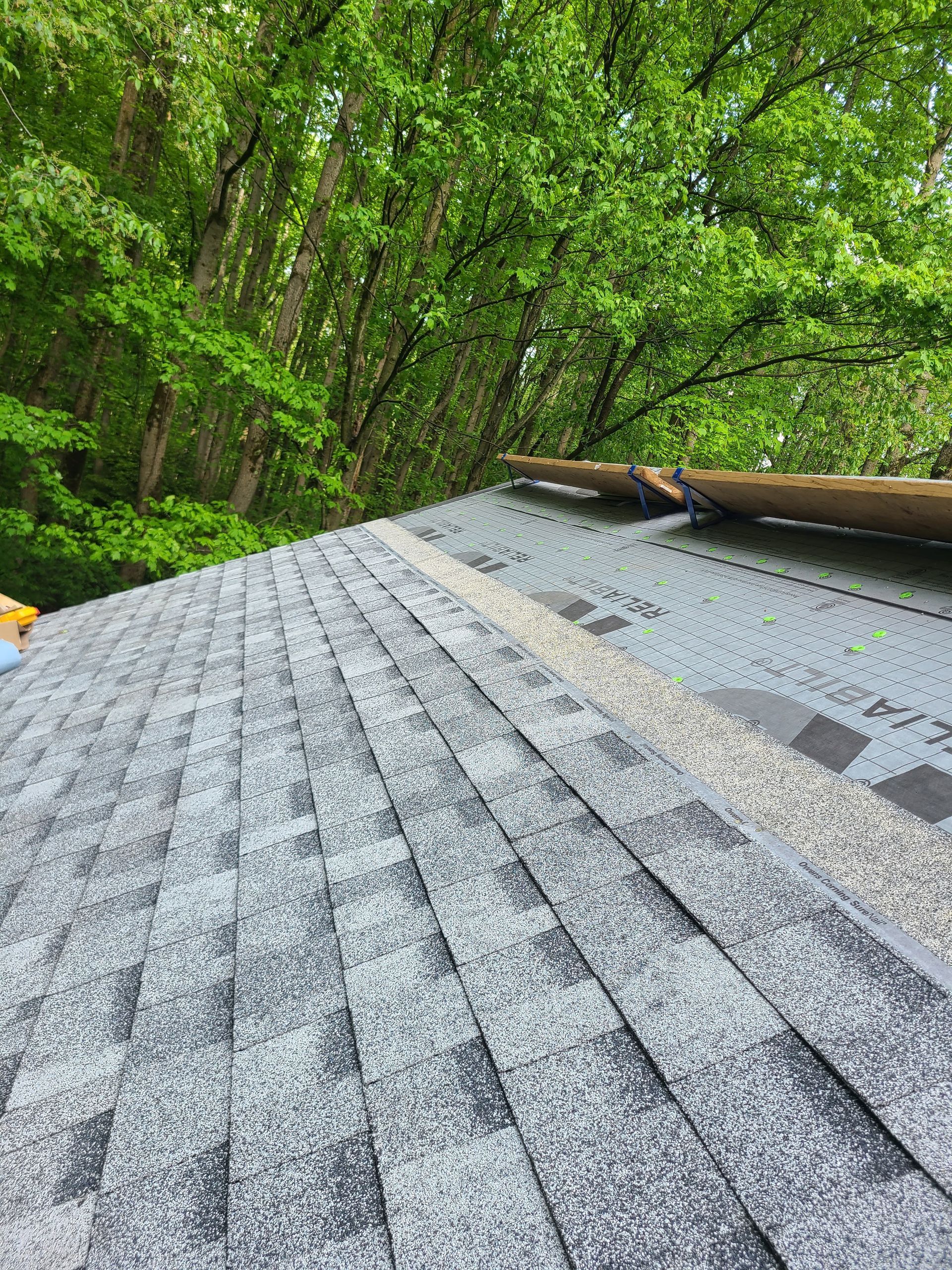
Proper ventilation, secure attachment, and precise detailing reduce long-term risk while improving daily performance. By prioritizing integrity over shortcuts, roof installations become long-term assets rather than future liabilities. The result is a roof that performs predictably through wind, rain, snow, and heat, protecting property value, stabilizing interior environments, minimizing maintenance demands, and preventing avoidable failures caused by rushed workmanship or incomplete installation practices over time.
Frequently Asked Questions
How long does a roof installation typically take?
Installation timelines depend on roof size, material type, weather conditions, and structural complexity. Most residential installations take several days from preparation through final inspection. Proper planning, staged installation, and favorable weather allow work to progress efficiently without compromising quality or safety standards.
What roofing material is best for long-term durability?
Durability depends on material selection, installation quality, and environmental exposure. Asphalt shingles, metal systems, and architectural materials all perform well when properly installed. Choosing the best option involves balancing lifespan expectations, maintenance preferences, budget considerations, and local climate demands.
Can a new roof be installed over an existing one?
In some cases, existing roofing can remain if structural conditions allow. However, multiple layers add weight and may conceal decking issues. Full removal often provides better long-term performance by allowing inspection, proper underlayment installation, and correction of hidden structural concerns.
How important is ventilation during roof installation?
Ventilation is critical. Improper airflow leads to moisture buildup, heat retention, and premature material failure. Balanced intake and exhaust systems regulate attic conditions, protect insulation, and extend roof lifespan by preventing condensation-related damage throughout seasonal temperature changes.
Will a new roof increase property value?
Yes. A professionally installed roof improves buyer confidence and reduces inspection concerns. Documentation, material warranties, and visible workmanship contribute to perceived value. Roof installations often yield strong returns by minimizing future repair expectations and enhancing overall structural reliability.
How do local conditions affect roof installation decisions?
Climate, roof pitch, and building age influence material choice and installation methods. In Western Pennsylvania, freeze–thaw cycles, snow loads, and wind exposure require fastening and ventilation strategies designed for long-term performance rather than minimum installation standards.
Why does experience matter for roof installations?
Experience improves judgment during structural evaluation and material selection. Salco Roofing and Seamless Gutters in Pittsburgh, Pennsylvania applies proven installation practices shaped by regional conditions, reducing failure risks. Long-term performance depends on understanding how roofs age under local environmental stress.
Should roof installation include gutter and flashing coordination?
Yes. Coordinated installation ensures proper water management. Integrating flashing, edge protection, and drainage systems prevents runoff issues and moisture accumulation. For properties throughout Pittsburgh, Pennsylvania, this coordination improves roof longevity and protects siding, foundations, and landscaping.
What our customers have to say...
Testimonials